






The Pinnacles Desert is a natural wonder within Nambung National Park in Western Australia. It’s a freaky sight that stops everyone in their tracks. For years, these limestone pillars standing up from the desert floor have been a highlight for geologists and the local Aboriginal people. But beyond being a sight for sore eyes, the Pinnacles are steeped in a rich history and cultural beliefs influenced by tribalism and other things that bind Aboriginal people to each other.
Pinnacles Desert: Amazing Geology

How Were the Pinnacles Formed?
The pinnacles are part of the desert landscape, which is stark and alien. The pinnacles are of varying heights, some as tall as 4 metres, creating a surreal landscape of jagged spires and twisted columns. This type of formation occurred due to different environmental factors, including wind and water, on ancient marine deposits. 25 000 to 30 000 years ago, this place was underwater with the Indian Ocean. As the ocean receded, the shells of marine life were left behind, which, over millions of years, were cemented together to form a type of limestone called tufa. Erosion and weathering have shaped these tufa formations into the spires we see today. They are similar to natural formations found elsewhere, such as Wave Rock and Hanging Rock.
Formation and Landscape
The reason for this appearance at the Pinnacles is due to natural forces of erosion and climate that shaped their form and layout. They look even more freaky against the desert floor than they would against normal rock formations here. So visitors can travel through time as they watch geological processes that take thousands of years. The harsh terrain and remoteness of the Pinnacles Desert make it perfect for people who like to travel off the beaten track, like Easter Island or Ningaloo Reef.
Local Legends and Myths

Land in Indigenous Cultures
For the Aboriginal people who have lived there for thousands of years, the Pinnacles have been places of spiritual significance (Humanities Australia). These things in the Pinnacles Desert are not just geological attractions but are part of the Noongar culture. The indigenous people have been here for tens of thousands of years, and mythology still defines their current culture and practices (Humanities Australia).
The Pinnacles are more than just amazing natural icons for the Noongar and Yamatji people. They are sacred sites where life began. Their history and culture revolved around these rocks, which showed how their ancestors connected with the land. The Pinnacles are part of the Dreamtime, an Aboriginal concept of how the world was created and how it exists today. In this spiritual framework, the land is a living being shaped and animated by the actions of ancestral beings during the Dreamtime.
In this worldview, the Pinnacles are seen not just as geological formations but as Dreamtime stories. The way the local Indigenous communities interact with these sites is a reflection of their sacredness. Often, rituals, ceremonies and traditional activities revolve around these landforms to reinforce their importance in maintaining cultural continuity through ancestral connections.
Local Legends and Myths
Local legends and myths that weave nature and spirituality together abound about the Pinnacles. These stories are part of the rich oral traditions of the Noongar and Yamatji people who have passed them down through the generations. One of the most well known and popular is the Pinnacle Spirits.
According to local legend, the Pinnacles are the remains of ancient beings or spirits turned to stone. Once powerful spiritual leaders, they were petrified either as punishment or as a sign of their otherworldly existence. It is believed these spirits were closely associated with this land, so they had a big impact on the geography. Their old lives can’t be meaningless because they are still alive here.
The story of the pinnacle spirits is a powerful symbol that connects two worlds; the physical and spiritual worlds. So this ground holds the essence of those old beings and the pinnacles are a physical link between now and what happened long ago. These stories show how sacred these formations are to Indigenous people who see them as a representation of their heritage.
What’s at Nambung National Park and The Pinnacles?
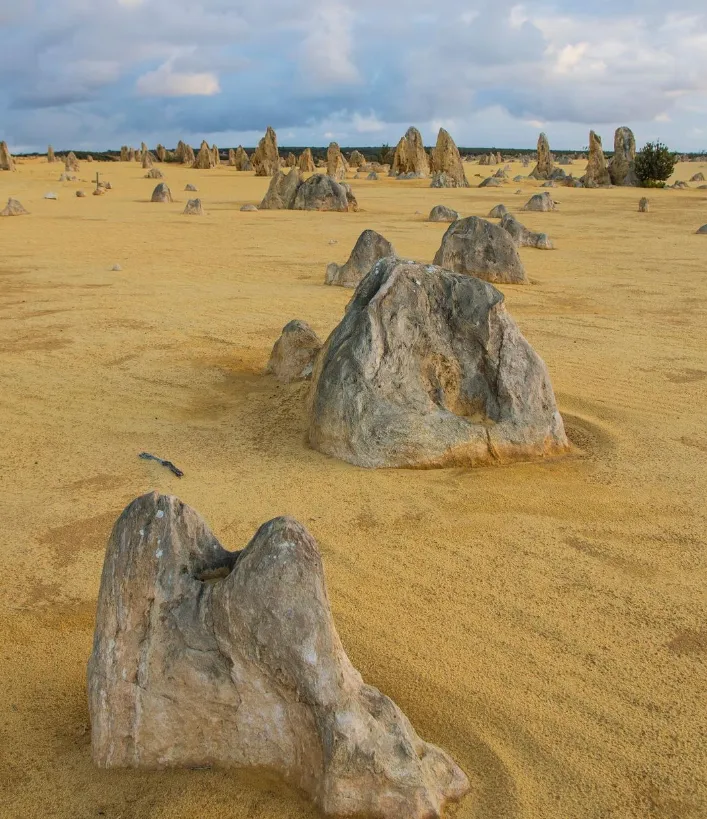
Apart from the iconic rock formations at Nambung National Park, where the Pinnacles Desert is located, there is more to see. This area has different ecological systems: coastal areas lead to sand dunes right along the Indian Ocean coastlines teeming with marine life. Here, visitors can interact with other natural wonders while experiencing the unique flora and fauna of the area.
The Pinnacles Desert is a demonstration of nature’s power and Indigenous cultural heritage. It’s a window into how nature and culture combine, making it the perfect destination for those who want to see geological wonders and traditional Aboriginal stories.
The Pinnacles Desert in Nambung National Park is more than just a natural wonder; it has cultural and spiritual significance, too. These thousands of years old limestones are evidence of the ever-changing history of our planet. At the same time, they are symbols of historical events like the belief systems of local indigenous people, which add more meaning to their already impressive look. As you walk through this strange landscape, take a moment to think about the relationship between natural events and human cultures and how you can value the historical role of the Pinnacles in both.
FAQ
Why is the Pinnacles Desert tour famous?
The Pinnacles Desert tour is famous for its limestones that transform the desert floor into another world. Some of these pinnacles are up to 4 meters tall and are a geological and cultural icon.
How did the Pinnacles form?
From ancient marine life deposits that turned into limestone. These deposits were shaped into spire-like formations over thousands of years due to erosion and weathering.
Why are the Pinnacles significant to Indigenous cultures?
To the local indigenous people, The Pinnacles have deep spiritual and cultural significance that connects them to old myths and legends, and this reflects their Aboriginal belief systems and culture.
What can I see in Nambung National Park?
In Nambung National Park you can visit the Pinnacle Desert and other landscapes like coastlines, sand dunes etc. The park has many natural wonders; it has a rich marine environment and an Indian Ocean coastline.
Are there other Pinnacles like this?
Yes there are several other natural wonders with similar geological and cultural significance like Wave Rock, Hanging Rock, and remote islands like Easter Island and Magnetic Island all offering different travel experiences and cultural stories.